
What Indonesia's under-invoicing crackdown means for the people who finance the trade

For most of the market, Indonesia's move against export under-invoicing reads as a tax story. For a trade financier, it is a structuring story — and the difference matters, because the same features that Jakarta now treats as evidence of leakage are features that sit, perfectly legitimately, inside a great deal of commodity finance.
In May 2026 the government proposed routing all strategic commodity exports — coal, palm oil, ferroalloys, together roughly a quarter of the country's exports — through a single state entity. Markets recoiled; the Jakarta index had its worst session in years. Within weeks the plan was scaled back. The state entity will not become a sole trader. It will instead monitor export prices against benchmarks and require revision of any price judged too low. The headline threat receded. The compliance overlay did not.
Why a discount is not the same as a deception
Strip the politics away and the government's concern is simple: cargoes leaving Indonesia are sometimes declared at values well below what the importing country records on arrival. The gap, repeated across enough shipments, is real money — and where it reflects deliberate mispricing to an affiliated buyer in a lower-tax jurisdiction, it is exactly what the authorities say it is.
But a declared price below a headline benchmark is not, by itself, evidence of anything. It is the normal texture of physical trade. Coal sells in grade bands, and a lower calorific value commands a lower price. FOB is not CIF. A forward price is not a spot price. Freight differentials, blending, domestic-market obligations and provisional pricing all pull the declared number away from the screen. And — the point most relevant to us — financing cost is frequently embedded in the price itself.
When a producer is prepaid, the financier's return is often expressed not as an interest rate but as a discount to a benchmark. The producer takes cash today and delivers product later at a price that quietly carries the cost of money. That discount is legitimate. It is also, to an eye scanning for under-invoicing, indistinguishable from the thing being hunted. The structure that funds the trade and the structure that disguises profit-shifting can look identical on the customs declaration.
The structure that legitimately finances a cargo and the structure that illegitimately shifts profit can look identical on the customs declaration. The job is to make the difference visible before anyone asks.
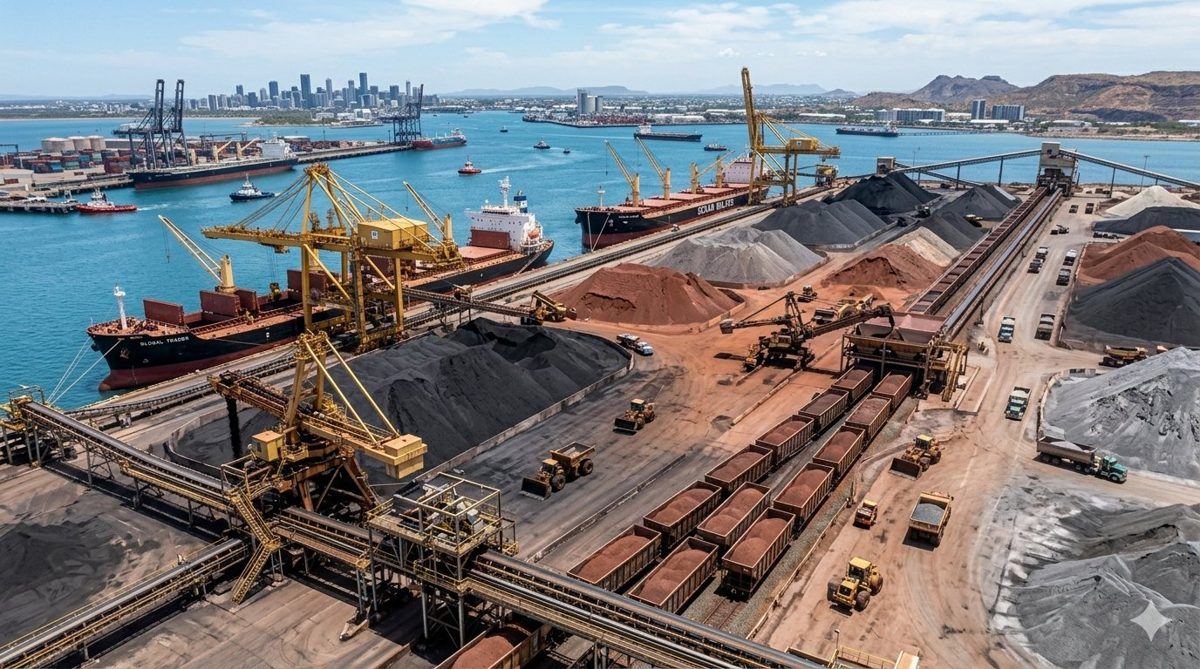
The real friction is not the monitoring — it is where the cash has to sit
The price-monitoring regime is manageable. Reference the right benchmark, document the discount as an identifiable financing cost rather than a depressed headline number, and a well-constructed facility survives scrutiny. The harder constraint is one that has nothing to do with under-invoicing at all.
Indonesia now requires exporters of natural-resource commodities to retain the full value of their export proceeds onshore for twelve months, with conversion limits layered on top. Prepayment finance, by contrast, is built the other way around: funded offshore, repaid offshore, swept through a collection account outside the country. A rule that forces proceeds home for a year cuts directly across the cash-flow logic that amortises an advance. This, not the price benchmark, is the provision that quietly rewrites how cross-border commodity finance into Indonesia has to be built.
There is a second, quieter point. A prepayment is, on the accounting that the central bank follows, external debt — a resident's liability to a non-resident, extinguished as goods are delivered. That brings reporting obligations and routing requirements that an offshore-only structure can overlook until it becomes a problem. Unreported offshore lending has, in the past, had its enforceability questioned in Indonesian courts. It is not a corner worth cutting.
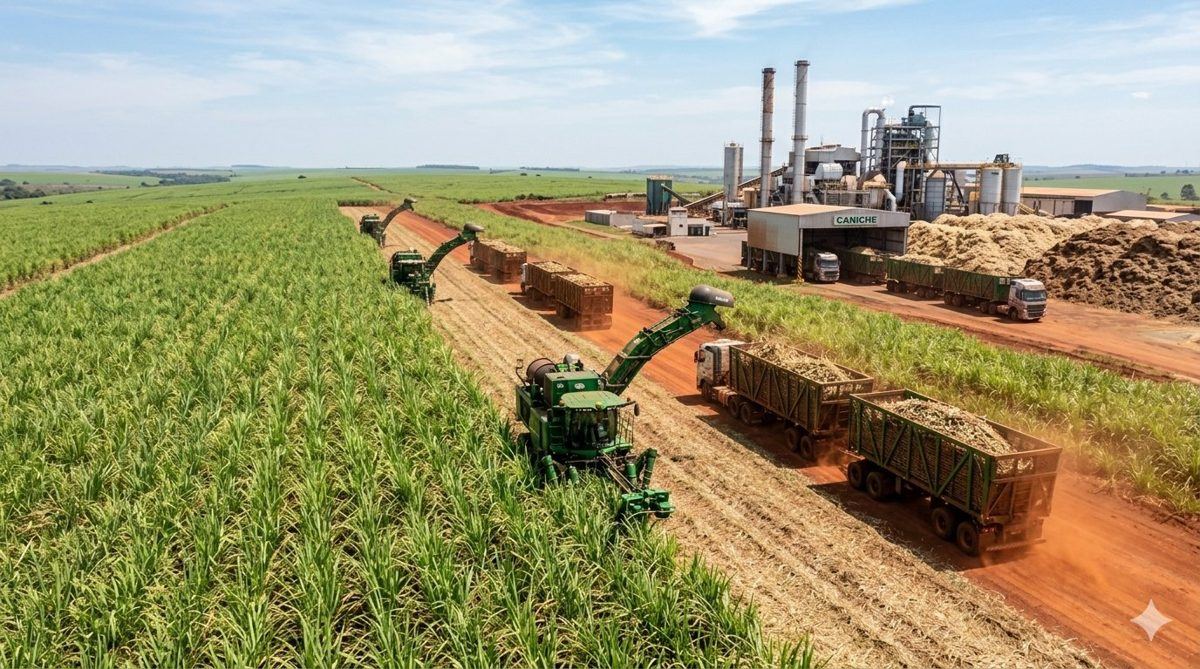
How we structure for it
We do not treat any of this as a reason to step back from Indonesian flows. We treat it as a reason to build them properly. In practice that means a handful of disciplines applied without exception:
- Price to the benchmark, document the discount. The financier's return belongs in an identifiable interest or fee line that references the official price, not in a depressed headline value that invites the wrong inference.
- Bring the cash onshore by design. Reconcile the collection mechanics with the retention regime from the outset — onshore accounts, repatriated proceeds, amortisation sculpted around the lock-up — rather than discovering the conflict after drawdown.
- Report what is reportable. Treat the advance as external debt, register and report it, and route funds through the proper channels as a condition of lending, not an afterthought.
- Look hard at the counterparty chain. Where an offtaker is an affiliate in a lower-tax hub, the arm's-length question is no longer academic. We want documented, defensible pricing and independent verification — the same things that protect us against fraud also protect the borrower against an under-invoicing allegation.
The discipline is the protection
It is tempting to read a crackdown like this as someone else's problem — a matter for tax advisers and exporters, settled long before a financier's exposure is at risk. We take the opposite view. The lender who has already priced transparently, routed cash onshore and reported the facility is the one whose security package is undisturbed when an investigation arrives at a counterparty's door. The lender who relied on an opaque offshore discount is the one explaining a structure after the fact.
Indonesia's commodities will remain central to Asian trade, and Jakarta will keep adjusting how it governs the value that flows out. The watershed to watch is the start of 2027, when the monitoring body retains the option to become a principal in the trade — a change that would shift counterparty risk in a way no amount of clean documentation can offset. Until then, the task is unchanged: finance the cargo so that it repays, and so that nothing in how it was financed can be mistaken for what the authorities are now looking for.
The views above are the author’s and are provided for general information only. They do not constitute investment, legal or tax advice.
in Share on LinkedIn