
The Arithmetic of Restraint
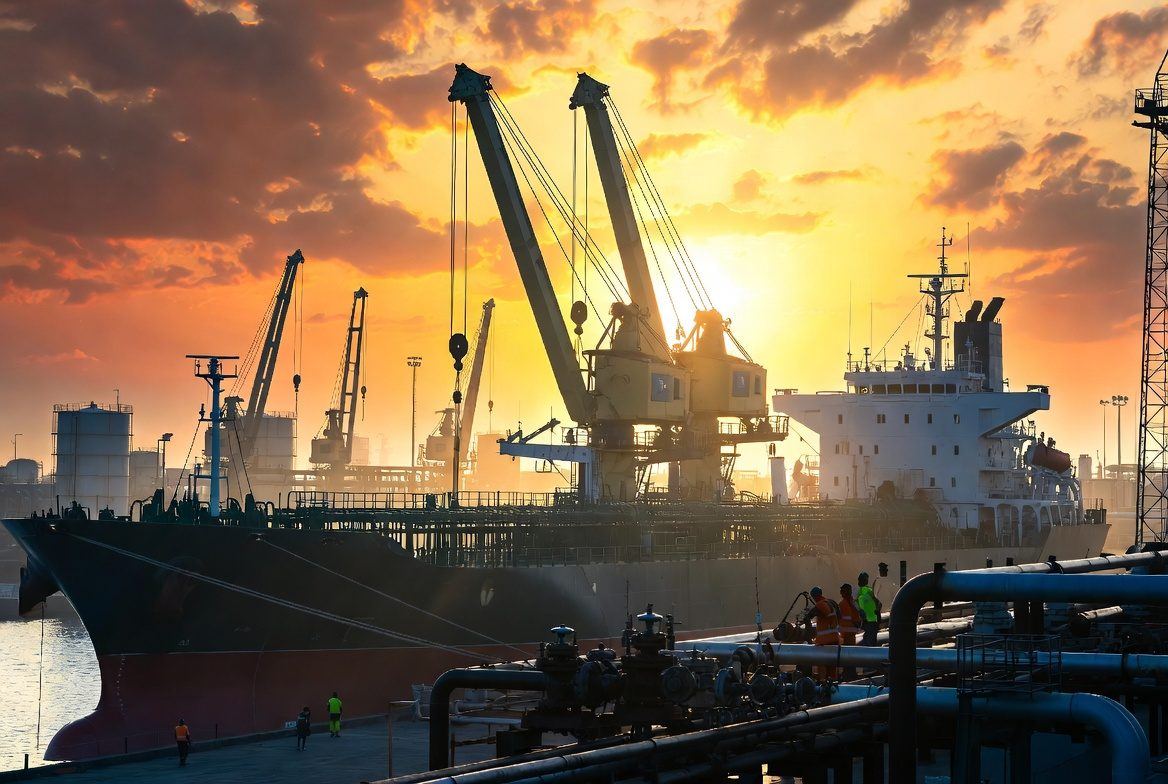
Why physical commodity trade finance is a large-volume, low-margin, recurring business—and why the yields that look more attractive are almost always pricing a risk nobody has named yet.
There is a question every serious allocator eventually asks a private credit manager, and it is the right question: if this is so safe, why does it pay what it pays—and if it pays more, what am I not seeing? In physical commodity trade finance the honest answer has a structure to it. The returns are what they are because the underlying business is what it is: enormous in volume, thin in margin, and relentlessly repetitive. Understanding why that is true—and why it is a feature rather than a limitation—is the difference between an investor who compounds quietly for a decade and one who reaches for an extra few points and discovers, too late, that the points were never the reward. They were the warning.
Part One · The Shape of the Business
A spread business, by nature
Physical commodity trading is the act of moving a real cargo—coal, tin, used cooking oil, grain—from a party who has it to a party who needs it, and being paid for solving the gap in time, place, and credit between them. The trader rarely owns a view on price for long. The disciplined ones own it for hours or days, not months. What they own is the spread: the difference between a purchase price locked against a confirmed sale, less the cost of financing, freight, insurance, and handling in between.
That spread is structurally thin. It has to be. Commodities are fungible, the participants are numerous and well-informed, and information moves at the speed of a Bloomberg terminal. A trader who tries to charge a fat margin on a standard cargo simply loses the deal to the desk next door. So the business does not make its money by charging a lot. It makes its money by doing the same thin-margin transaction again, and again, and again—turning capital over many times a year, each turn self-liquidating into cash before the next one begins.
Volume is not the consolation prize for low margins. Volume is the business model.
This is why the global physical commodity trade runs into the trillions of dollars annually while the houses that intermediate it operate on net margins that a software founder would find insulting. The largest independent traders in the world earn single-digit gross margins on revenue—and they are considered extraordinarily successful, because they apply that margin across colossal, repeating turnover with disciplined risk control. The margin is small. The compounding of the margin is the empire.
Why the lender's seat is the best seat
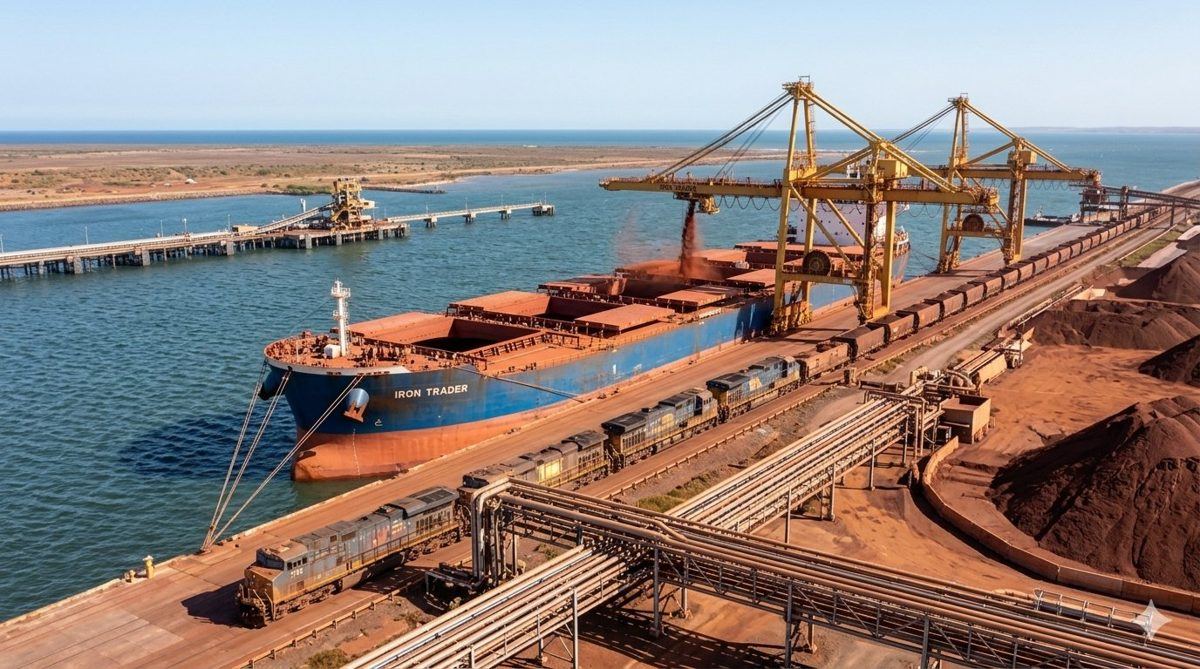
Trade finance sits one layer above the trader, and it inherits the best properties of this structure while shedding the worst. The financier does not take price risk on the cargo. The financier funds a specific, identified shipment—a real cargo with a real buyer and a real payment obligation behind it—and is repaid when that cargo is sold and the buyer pays. The loan is self-liquidating: it exists only as long as the goods are in transit, typically thirty to one hundred and twenty days, and it extinguishes itself from the sale proceeds.
Stack those short, self-liquidating exposures end to end and you get something rare in credit: a book that turns over several times a year, continuously re-underwriting itself, never accumulating the long-duration, mark-to-market fragility that sinks other lenders. Each transaction is a fresh credit decision against a fresh cargo with a fresh buyer. Capital is rarely committed far into an uncertain future. It is deployed, repaid, and redeployed—a metronome, not a gamble.
The returns this generates are correspondingly steady. They are not spectacular. A well-run trade finance book delivers consistent, recurring yield with low volatility and—when underwritten properly—a credit-loss record that approaches zero. That is the product. It is not designed to thrill. It is designed to not lose, repeatedly, for years.
Part Two · The Inevitability Argument
Anyone promising more is selling something else
Here is the structural truth an allocator should internalise: in a market this liquid, this transparent, and this competitive, excess return cannot be conjured from the spread itself. The spread is set by the market and it is thin. So if a manager is showing you returns meaningfully above what a disciplined trade finance book produces, the extra yield is not coming from being cleverer about cargoes. It is coming from somewhere—and that somewhere is a risk that has been added to the structure and not yet been paid for.
There are only a few places the extra yield can hide, and they are worth naming precisely:
| Source of "extra" yield | The risk actually being taken |
|---|---|
| Higher advance ratios | Less collateral cushion; a single cargo loss now exceeds equity |
| Longer tenors / open-ended facilities | Duration and price risk; the loan stops being self-liquidating |
| Weaker or unregistered security | Nothing to enforce against when a borrower fails |
| Lending against the trader, not the cargo | Unsecured corporate credit dressed up as trade finance |
| Speculative positions / unhedged inventory | The book is now trading the market, not financing it |
| Opaque or unverifiable counterparties | Fraud exposure—the risk that costs one hundred cents, not a few |
Every one of these widens the headline return. Every one of them does so by removing a layer of protection that existed for a reason. The yield went up because the floor was taken away. The investor who accepts the higher number is, whether they realise it or not, agreeing to stand on the missing floor.
In trade finance, margin above the market is not alpha. It is unpriced risk wearing alpha's clothing.
Part Three · The Asymmetry That Ends Funds
Why high margins hide exponential risk
The danger is not merely that higher-yield strategies are riskier. It is that the relationship between yield and risk in this business is profoundly asymmetric and non-linear. A small reach for return can sit on top of an enormous, hidden tail.
Consider the arithmetic. Suppose disciplined trade finance pays a steady single-digit return with negligible losses. A manager offers materially more. To produce it, they raise advance ratios and relax the security package—decisions that improve the headline by a couple of points. But those same decisions mean that a single defaulted cargo, instead of being absorbed by collateral and equity, now blows through them. One bad transaction does not trim the return for the year. It deletes the principal.
This is the cruelty of low-margin businesses run without discipline: the downside is not symmetrical with the upside. You earn the thin spread when things go right—two, three percent on a transaction. You lose the entire advance when things go wrong—one hundred percent on that exposure. It can take thirty clean transactions to earn back what one uncovered loss destroys. The maths only works if losses are made structurally rare. The instant a manager trades away that rarity for a few extra points of yield, the geometry of the book inverts: the small, steady gains become incapable of outrunning the occasional catastrophic loss.
The graveyard is full of high-margin trade finance
This is not theory. The collapses that have scarred commodity finance follow two recurring patterns, and both wore the costume of attractive returns right up until the end.
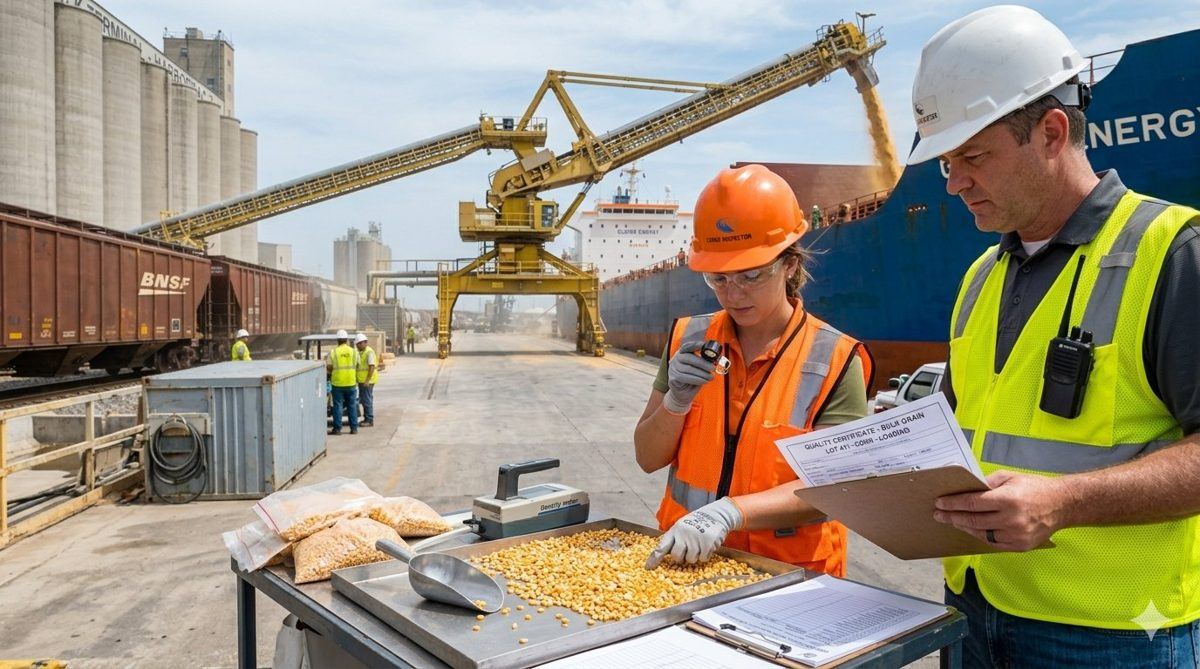
The first is premeditated fraud—entities that were never really trading at all, supported by fabricated cargoes, duplicate financing of the same goods, and shell counterparties. To a financier reaching for yield and skipping the unglamorous work of verifying that the cargo and the counterparty truly exist, these book beautifully—until the day the warehouse is found empty. The defence was never a higher interest rate. It was knowing your borrower and confirming the goods before the money moved.
The second is distress-driven fraud—a once-legitimate trading house that took a speculative position, lost, and concealed the loss with financing against cargoes that were already pledged elsewhere or already sold. Here the warning was not a fake company; it was a real one quietly migrating from financing trade to gambling on price, funded by lenders who were paid a little extra to not ask why the margins had improved.
In both cases the higher return was the symptom, not the opportunity. The yield was elevated precisely because the risk was elevated—and the investors who chased it were not compensated for the risk. They were merely the last to learn it was there.
Part Four · The Investor's Conclusion
Choosing the lower number on purpose
The sophisticated allocator does not ask "which manager pays the most?" They ask "which manager has built the most protection per unit of return?"—and they understand that in trade finance these two questions usually have opposite answers.
Accepting a lower, steadier return is not timidity. It is the recognition that this asset class rewards survivorship over heroics. The book that turns over many times a year on thin, fully-secured, self-liquidating margins—registered security, conservative advance ratios, verified cargoes, controlled collection of proceeds—is engineered so that no single transaction can be fatal. That engineering costs yield. It is supposed to. The few points you give up at the top are the premium you pay to remove the tail that ends funds.
A decade of unspectacular, uninterrupted compounding beats two great years and a wipeout—and it is not close.
The large-volume, low-margin, recurring nature of physical commodity trade is not a ceiling on what this asset class can return. It is the foundation of why it can be trusted to return anything at all. The discipline that keeps the margin modest is the same discipline that keeps the losses near zero. You cannot keep one without the other. Anyone who tells you otherwise is offering you the upside of indiscipline and quietly handing you its downside.
Choose the arithmetic that survives. In this business, restraint is not the cost of the return. Over a full cycle, restraint is the return.
The views above are the author’s and are provided for general information only. They do not constitute investment, legal or tax advice.
in Share on LinkedIn