
What commodities are—and why they hold up the real economy
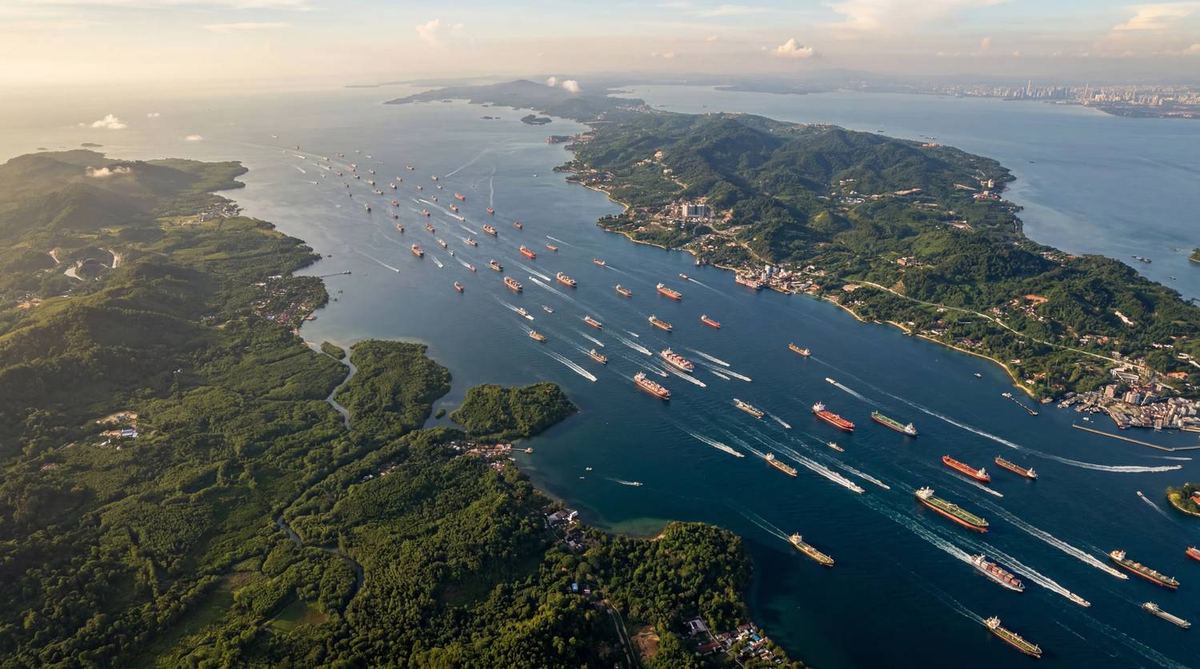
Strip away the screens, the futures curves and the acronyms, and a commodity is a simple thing: a raw material so standardised that one cargo is interchangeable with another of the same specification. A tonne of 4,200 kcal/kg thermal coal, a barrel of Brent-grade crude, a bushel of No. 2 yellow corn—each is defined by its specification, not its producer. That fungibility is what makes a commodity a commodity, and it is the foundation on which everything else in this piece rests. Because the goods are interchangeable, they can be priced globally, traded at scale, shipped anywhere a buyer will pay, and—crucially—financed against.
The convention is to sort commodities into a few broad families. Energy: crude oil and refined products, natural gas and LNG, and coal. Metals and minerals: the base metals that build infrastructure—copper, aluminium, nickel, tin, iron ore—and the precious metals that store value. Agriculture: grains, oilseeds, sugar, coffee, palm and other edible oils—the “softs”—alongside livestock. A fourth family of industrial materials—fertilisers, petrochemicals, biofuel feedstocks—sits across the boundaries of the first three. Practitioners also distinguish “hard” commodities, which are mined or extracted, from “soft” commodities, which are grown.
One more distinction matters. Most of what the financial press calls the commodity market is the paper market—futures, options and swaps used to hedge or speculate, where almost no contract ends in delivery. Underneath it sits the physical market: real cargoes, vessels, tank farms, stockyards and silos, moving from producers to processors to end-users. The paper market sets the reference price; the physical market is where the economy actually gets fed, fuelled and built.
The real economy has no substitute for them
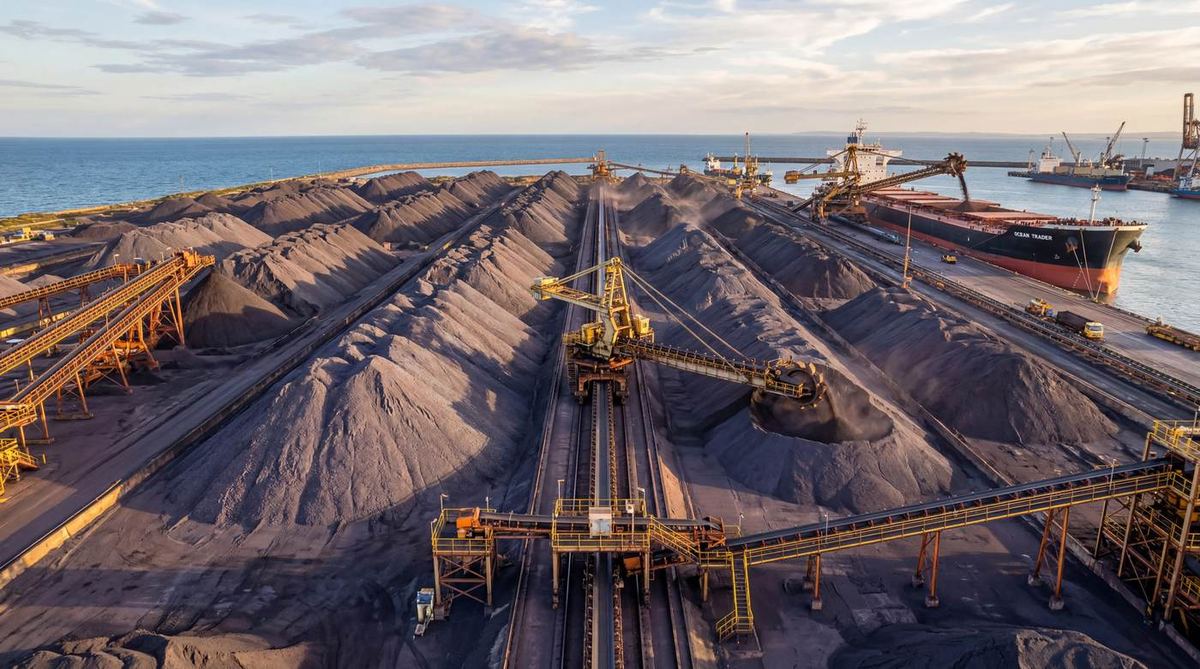
Every manufactured object, every kilowatt-hour, every meal begins as a commodity. A smartphone is bauxite, copper, tin, nickel, lithium and silica before it is anything else. A loaf of bread is wheat, energy and freight. There is no service economy sophisticated enough to function without diesel, copper and grain arriving on schedule—the digital economy itself runs on power stations and data centres built from steel, aluminium and rare earths.
What makes this dependence economically interesting is geography. Commodities are produced where geology and climate dictate, not where demand lives. Chile and the DRC hold the copper; Indonesia and Australia ship the coal and much of the nickel; Brazil, the US and the Black Sea feed the world’s grain trade; the Gulf supplies its hydrocarbons. Consumption, meanwhile, concentrates in the industrial economies of Asia, Europe and North America. The gap between where things come out of the ground and where they are consumed is bridged by one of the largest logistical undertakings in human history: tens of thousands of bulk carriers, tankers and container vessels at sea at any moment, each carrying cargo that has been bought, sold and—almost always—financed.
Supply, demand and the politics of chokepoints
Commodity prices are set at the margin. Demand for raw materials is relatively inelastic in the short run—a power utility cannot halve its coal burn this quarter, a mill cannot run on less ore—while supply is slow to respond, because new mines, wells and plantations take years to develop. The result is a market where small physical imbalances produce large price moves, in both directions.
Geopolitics amplifies this. Supply is concentrated in a handful of jurisdictions, so policy decisions—OPEC+ production quotas, export bans, sanctions regimes, licence and royalty changes—move global prices in a way few other political acts can. And because production and consumption sit oceans apart, the world’s trade flows compress through a short list of maritime chokepoints: the straits of Hormuz and Malacca, the Suez and Panama canals, the Bab-el-Mandeb. When one of them is disrupted—by conflict, drought or a single grounded vessel—freight rates, insurance premia and delivered prices reprice within days. Weather does the same job on the agricultural side: a failed monsoon or a drought in a key growing region is a supply shock no central bank can print away.
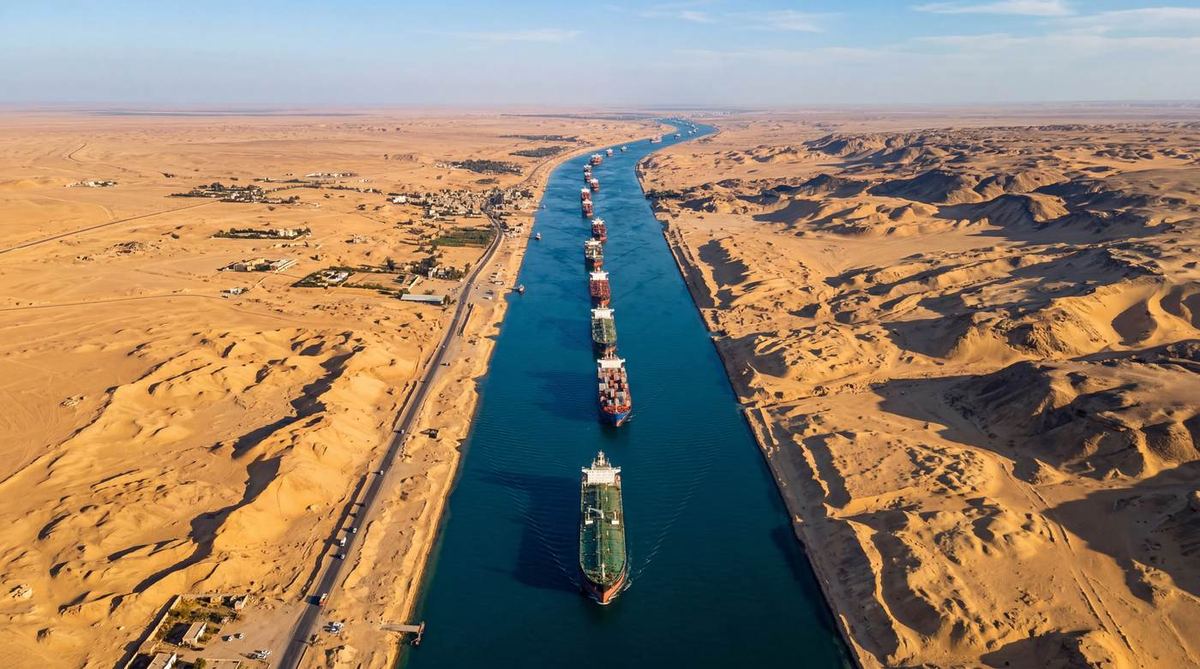
Commodity prices are the first domino: they move before producer prices, before consumer prices, and long before central banks respond.
From spot prices to inflation to interest rates
Commodities sit at the very start of every production chain, which makes them the leading edge of inflation. When energy, freight and raw material costs rise, the increase passes through to producer prices within months and to consumer prices shortly after—first in the volatile “headline” components like fuel and food, then, if the move persists, into core inflation through transport costs, utility bills and wage demands. The energy shock of 2021–22 was a reminder of how fast this transmission runs: gas and power prices moved first, headline CPI followed, and core inflation proved far stickier than policymakers expected.
Central banks respond to that with the only broad tool they have: interest rates. Sustained commodity-driven inflation invites tightening; commodity disinflation creates the room to ease. The chain is direct—a supply decision in Riyadh or a drought in Mato Grosso shapes, with a lag, the price of money in every economy that imports raw materials. Anyone trying to understand the rate cycle without watching the commodity complex is reading the story from the middle.
What this does to equity valuations
The same transmission reaches equity markets through two channels. The first is margins: for most of the listed corporate world, commodities are a cost. Airlines, manufacturers, chemical producers, food companies and retailers all watch input costs flow through their gross margins with a lag determined by hedging and pricing power. Producers—miners, drillers, traders—sit on the other side of the ledger, which is why energy and materials stocks are often the only sectors that work during a commodity-led inflation.
The second channel is rates. When commodity inflation forces policy tightening, the discount rate applied to every future cash flow rises, and valuation multiples compress—hitting long-duration growth equities hardest, including companies that never touch a physical cargo. A software business with no commodity exposure on its income statement still carries it in its multiple. Commodities, in other words, price equities twice: once through costs, once through capital.
The financing that keeps it all moving
There is a final link in the chain, and it is the least visible: almost none of this physical trade moves on the producer’s or trader’s own cash. A single Supramax cargo of coal is a transaction worth several million dollars; a VLCC of crude an order of magnitude more. Between the moment a trader pays its supplier and the moment its buyer pays for delivered cargo sit weeks of vessel time, document flows and payment terms. That gap—multiplied across every cargo on the water—is funded by trade finance: short-term working capital advanced against a specific transaction, secured on the cargo and its receivable, and repaid when the buyer settles. It is self-liquidating credit in its oldest form, and global trade has run on it for centuries.
Its macroeconomic role is easy to miss precisely because it works. When trade finance is abundant, cargoes move, supply reaches demand, and the price of bridging geography stays low. When it contracts—as it did in 2008–09, and again when banks retreated from mid-market commodity lending over the past decade—trade does not merely become more expensive; some of it simply stops. Cargoes that cannot be financed are cargoes that do not sail, and unsailed cargoes are a supply shock like any other: regional shortages, wider price spreads, and upward pressure on the very inflation that central banks are trying to contain. The financing of physical trade is, in that sense, quiet anti-inflationary infrastructure—the lubricant that keeps the distance between mine and mill from turning into scarcity.
Commodities are where the financial economy touches the physical one. Their prices discipline inflation, steer interest rates and reprice equity markets—but only because, underneath the paper, real cargoes keep moving. Understanding what they are, where they come from and how they are financed is not a niche specialism. It is a working model of how the global economy actually runs.
The views above are the author’s and are provided for general information only. They do not constitute investment, legal or tax advice.
in Share on LinkedIn